Beyond BMI: For A More Inclusive and Healthier Hong Kong 超越BMI:邁向更包容、更健康的香港
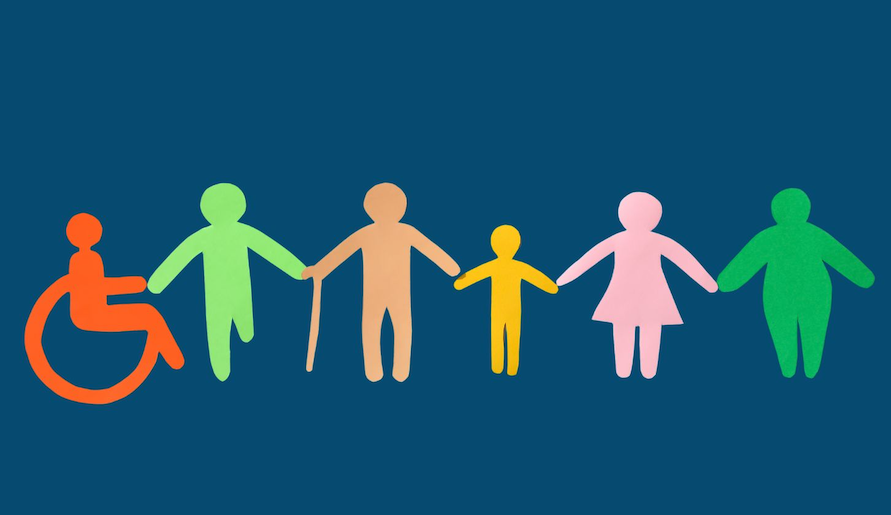
Cut outs of a person in a wheelchair, a person with a limb difference, an elderly person, a child, a woman and a person of a larger weight.
Read our letter featured in the SCMP here. 請按此閱讀我們刊載於《南華早報》的文章。
In March, the Hong Kong government launched its inaugural Action Plan on Weight Management, a three-year initiative aimed at building a "healthier and more vibrant city." The plan’s focus on cross-sector collaboration and a life-course approach, from prenatal nutrition to elderly care, demonstrates a genuine commitment to public health. While this vision comes from a place of good intent, the city-wide plan seems to be heavily anchored on a single Body Mass Index data point. This risks sending a narrow and potentially harmful message: that health is simply one number on a scale.
今年三月,香港政府推出首份《體重管理行動計劃》,這項為期三年的計劃旨在建設「更健康、更具活力的城市」。計劃着重跨界別協作,並採取貫穿人生各階段的整全方針 — 從產前營養到長者照顧 — 充分體現了對公共健康的誠摯承諾。然而,儘管出發點良好,這項全市性計劃似乎過度倚重單一的身體質量指數數據 (BMI),這有可能傳遞一個片面甚至有害的訊息:健康,不過是磅秤上的一個數字。
A growing body of evidence suggests that BMI has significant limitations. Developed using data primarily from white males, it doesn't account for crucial factors like muscle mass, bone density, or body composition. The American Medical Association now advises using BMI as just one tool among many, alongside measures like waist circumference and a genetic of metabolic factors. This concern is particularly relevant in our multicultural city. The government's press release cites the recommendation of the WHO Western Pacific Region for Asian adults, but there are regional variations within Asia. If we apply a standardised BMI threshold to all, we risk misreading these natural variations in genetic lineages and body types as problems to be fixed.
越來越多的研究證據指出,BMI存在相當大的局限性。這個指標最初以白人男性數據為基礎建立,並未考慮肌肉量、骨密度或身體組成等關鍵因素。美國醫學協會現已建議,BMI僅應作為眾多評估工具之一,須與腰圍及一系列代謝遺傳因素共同使用。這一點在我們這個多元文化的城市尤為重要。政府新聞稿引用了世界衞生組織西太平洋區對亞洲成人的建議,然而亞洲各地區之間存在差異。若以劃一的BMI標準套用於所有人,我們便可能將不同遺傳背景與體型的自然差異誤讀為需要「糾正」的問題。
Furthermore, a strict focus on lowering BMI may not align with the needs of our rapidly ageing population. Dementia is now the seventh leading cause of death in the world. Recent research, including a 2024 study in BMJ Open, has found that a very low BMI in Chinese older adults can be linked to a higher risk of cognitive impairment. In later life, maintaining a stable weight is often more important than losing it. Our public health strategy must be nuanced enough to ensure we don't encourage our elderly citizens toward a state that could compromise their long-term health.
此外,一味追求降低BMI,未必符合我們日益高齡化社會的需要。認知障礙症現已成為全球第七大死因。包括2024年發表於《BMJ Open》的研究在內,多項最新研究發現,BMI過低的華裔長者患認知障礙的風險可能更高。對於年長人士而言,維持穩定體重往往比積極減重更為重要。我們的公共衛生策略必須具備足夠的細緻度,確保不會在無意間將長者推向損害其長遠健康的處境。
Beyond the metrics, we must consider the mental and emotional impact of a weight-focused campaign. Hong Kong is already grappling with significant mental health challenges, fuelled by a culture of perfectionism and pressure. Diet culture—a belief system that equates thinness with worth—thrives in such environments. When a government initiative stresses weight monitoring it can unintentionally validate this harmful mindset. It risks fostering an obsession with "clean" eating, the use of exercise as punishment, and the shame that comes from not meeting an arbitrary standard.
在指標與數據之外,我們同樣需要正視以體重為中心的宣傳對心理健康的潛在影響。香港的精神健康挑戰本已嚴峻,在完美主義與無形壓力的文化土壤中,「節食文化」,一種將纖瘦等同於個人價值的思想體系——極易滋生蔓延。當政府計劃強調體重監測,便可能在無意間助長這種有害心態,令人陷入對「乾淨飲食」的執念、將運動視為懲罰,以及因未能達到某個任意標準而產生的羞恥感。
This is especially concerning given the fast-paced lives many Hongkongers lead. Busy schedules often mean people cook what is quick and easily available. Demonising convenience foods, which can make people's lives easier, risks adding another layer of stress and guilt, potentially contributing to worse mental health outcomes. As Steph Ng, founder of the charity Body Banter, explains, many young people turn to controlling their bodies as a coping mechanism amid overwhelming stress. We must be careful not to tie a child's self-worth to a number on a chart.
這對生活節奏急促的香港人而言尤其值得關注。繁忙的日程往往令人傾向選擇快捷方便的食物。若將方便食品一律「妖魔化」,只會為日常生活增添更多壓力與罪疚感,進而影響精神健康。正如Body Banter慈善機構創辦人Steph Ng所指,許多年輕人在難以承受的壓力下,轉而以控制身體作為應對機制。我們絕不應讓孩子的自我價值,與一個圖表上的數字牢牢綑綁。
At YAMA, we advocate for a different approach—one that shifts from being weight-centric to wellbeing-centric. True health is holistic. It asks not "How much do you weigh?" but "What is happening in your life?" Stress, trauma, and financial insecurity are physiological forces that impact our health. A trauma-informed approach recognises this and seeks to address the root causes of distress, not just the physical symptoms.
在YAMA,我們倡議另一種方式,從以體重為中心,轉向以身心健康為中心。真正的健康是整全的。它問的不是「你有多重?」而是「你的生命正在經歷什麼?」壓力、創傷、經濟困境,都是深刻影響健康的生理力量。創傷知情的方法正視這一切,致力於從根本解決困境的成因,而非只着眼於身體症狀。
We invite the government's Weight Management Working Group to collaborate on broadening this important initiative. There is a clear, evidence-based path forward that promotes accessibility, respects diversity, and champions mental health.
我們誠邀政府的「體重管理工作小組」攜手合作,共同擴展這項重要計劃的視野。一條以實證為基礎、促進公平共融、尊重多元,並以心理健康為先的前路,就在我們面前。
First, let's position BMI as one passive data point among many, not a primary target. We can shift the focus to health-promoting behaviours, such as improving access to fresh, affordable food, creating safe public spaces for movement, and encouraging joyful activities that relieve stress. Success could be measured by improved blood pressure, better sleep, and reduced stress levels—not just kilograms lost.
第一,讓BMI回歸輔助工具的角色,而非主要目標。 我們可以將焦點轉移至促進健康的行為:改善新鮮食物的可及性與可負擔性、創建安全的公共活動空間、鼓勵能紓解壓力的快樂運動。成效的衡量,可以是血壓改善、睡眠質素提升、壓力水平降低——而不只是減了多少公斤。
Second, we must integrate mental health support. Every government-promoted programme could include a mental health component, with messaging that frames healthy habits as tools for connection and stress release, not weight control.
第二,將心理健康支援融入每一個環節。 每項政府推動的計劃,均可納入心理健康元素,以「健康習慣是聯繫彼此、釋放壓力的方式」來重新框架相關訊息,而非將其定義為體重管理的手段。
Finally, let's ensure the communities most affected are part of the conversation. By inviting voices from South Asian communities, the Health at Every Size (HAES) movement, and mental health charities, we can co-create a plan that is truly inclusive.
最後,讓最受影響的社羣參與對話。 透過邀請南亞裔社羣、「每種身材皆健康」(HAES)運動以及心理健康慈善機構共同參與,我們才能攜手制定一個真正具包容性的計劃。
Let's build a healthy, vibrant Hong Kong that cares for the wellbeing of its entire diverse community with compassion and respect.
讓我們一起,以關愛與尊重,為香港每一位多元社羣成員的身心健康而努力,共建一個真正健康、充滿活力的城市。